
Where Solid-State Hydrogen
Changes the Equation
These are not speculative use cases. They are real-world scenarios where safety, logistics or cost constraints have blocked clean energy deployment — and where solid-state hydrogen is uniquely positioned to solve them.
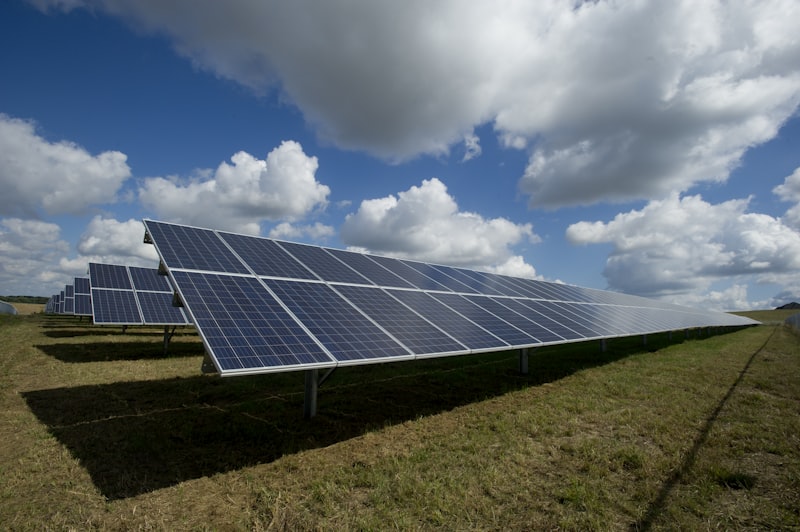
Long-Duration Storage for Renewable Power Plants
Solar and wind are now the cheapest forms of new electricity generation in most markets. But their value is severely limited by intermittency. Lithium-ion batteries can smooth hourly fluctuations — but they cannot bridge days of cloudy, windless weather. Seasonal surpluses have nowhere to go. POE changes that.
No clean, cost-effective technology exists today for 12-hour-plus and seasonal storage at utility scale. This forces renewable operators to accept curtailment or maintain diesel backup — undermining both economics and carbon targets.
Solid-state hydrogen stores energy across days and seasons with no degradation. AI-managed dispatch ensures optimal charge/release timing. Modular systems scale alongside renewable capacity additions without infrastructure overhaul.
Green Energy Islands & Off-Grid Microgrids
Thousands of islands and remote communities worldwide depend on diesel generators for electricity — expensive, polluting and vulnerable to supply chain disruptions. Solar plus battery systems reduce diesel dependence but cannot achieve full energy independence due to multi-day storage limitations.
Islands and remote communities need a complete clean energy solution that tolerates their logistics: no pipeline, no specialized workforce, no high-pressure gas handling. Most clean energy alternatives fail this test.
Modular, containerized systems arrive by standard freight. Near-atmospheric storage requires no specialized handling infrastructure. Wide temperature tolerance handles tropical to sub-Arctic environments. HaaS model removes the capital barrier for island governments and communities.

Mines & Heavy Industrial Sites
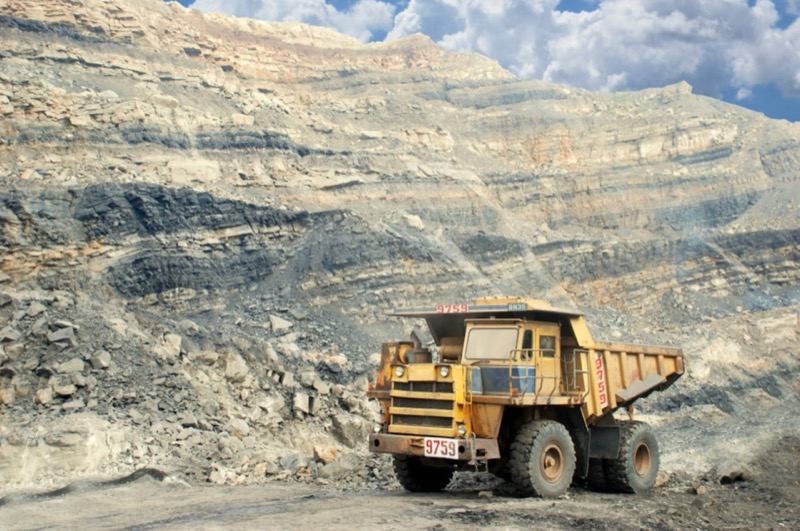
Mining operations in remote and extreme-climate locations represent some of the highest diesel consumption per unit output in any industry. Underground mines face strict limits on flammable and explosive materials — a fundamental barrier to deploying conventional compressed hydrogen systems.
Underground mines cannot use high-pressure gas. Remote surface mines in Arctic or equatorial regions face extreme temperature ranges that degrade battery performance. Diesel remains default not because operators want it, but because no viable alternative has existed.
Near-atmospheric solid-state storage is compliant with safety codes and regulations. Wide temperature range (−40°C to +60°C) covers all mining climate zones. Systems can be deployed to surface operations, charging stations, equipment bays and underground support facilities.
Drones, Robotics & Mobile Systems
Battery-powered drones and autonomous systems have transformed survey, logistics, defense and agriculture. But battery energy density remains a hard ceiling on endurance and range. Hydrogen fuel cells dramatically extend operational capability — if the storage can be made safe and practical for mobile use.
High-pressure cartridges for mobile platforms require hazardous materials handling, specialized ground infrastructure and restrict deployment environments. The logistics of pressurised cartridge exchange limit operational tempo.
Solid-state cartridges are safe to handle, transport and swap without pressure-rated equipment. High energy density extends drone flight time 3–5× vs. battery-only. Cartridges can be exchanged in the field without specialized infrastructure.

Backup Power for Data Centers and Critical Infrastructure
Data centers, hospitals, telecoms and financial infrastructure require backup power that is available instantly, operates for extended durations and will remain compliant with tightening urban emission and fire safety regulations.
Diesel generators in urban data centers face mounting emissions regulations, fuel supply reliability risk, and noise complaints. Battery UPS handles short outages but not extended events. The industry lacks a clean, silent, long-duration backup that is safe for urban installation.
Indoor-safe, near-atmospheric storage meets urban building codes. Silent operation. Zero local emissions. No fuel supply chain dependency. Long shelf life without capacity degradation. AI-monitored readiness ensures the system is ready when needed — and alerts operators if it is not.

Green Hydrogen Storage, Transport & Distributed Delivery
Green hydrogen produced at renewable energy hubs needs to reach industrial users, transport refueling stations and remote communities. Today's delivery options — high-pressure tube trailers and cryogenic tankers — are expensive, complex and restrict viable delivery distances.
Last-mile hydrogen delivery is a critical bottleneck in the hydrogen economy. Without affordable, safe distribution, hydrogen's potential as a universal clean fuel cannot be realized in the markets where it matters most.
Standardized solid-state cartridges can be loaded at a green hydrogen production hub and transported by standard truck, rail or drone to end users — without any specialized logistics infrastructure. Near-atmospheric pressure eliminates dangerous goods handling requirements and enables delivery to previously unreachable locations.
Have a specific deployment in mind?
We work with developers, operators and governments to scope pilot projects. Tell us your context and we will design a deployment pathway.
Start a Conversation