
The Science of Safe,
Long-Duration Hydrogen
Solid-state hydrogen storage is not a new concept — but making it commercially viable at system level required solving problems that span materials science, thermal engineering and power electronics simultaneously. Here is how we did it.
Metal Hydride:
The Physics of Safe Storage
Metal hydride alloys store hydrogen by forming chemical bonds with hydrogen atoms within the crystal lattice. Unlike compressed or liquid hydrogen, the gas is integrated into the solid material itself — not simply contained under pressure.
This means storage is inherently safe: there is no pressurised vessel to rupture, no cryogenic temperature to maintain, and no risk of explosive release. The hydrogen is only liberated when the material is heated — a controllable, reversible process.
Our alloys — developed in collaboration with Peking University's Hydrogen Energy Center — achieve class-leading gravimetric capacity, fast charge/discharge kinetics and excellent cycle life. The alloy composition is optimized for the temperature operating windows of real-world deployment scenarios.
System Architecture: Five Layers
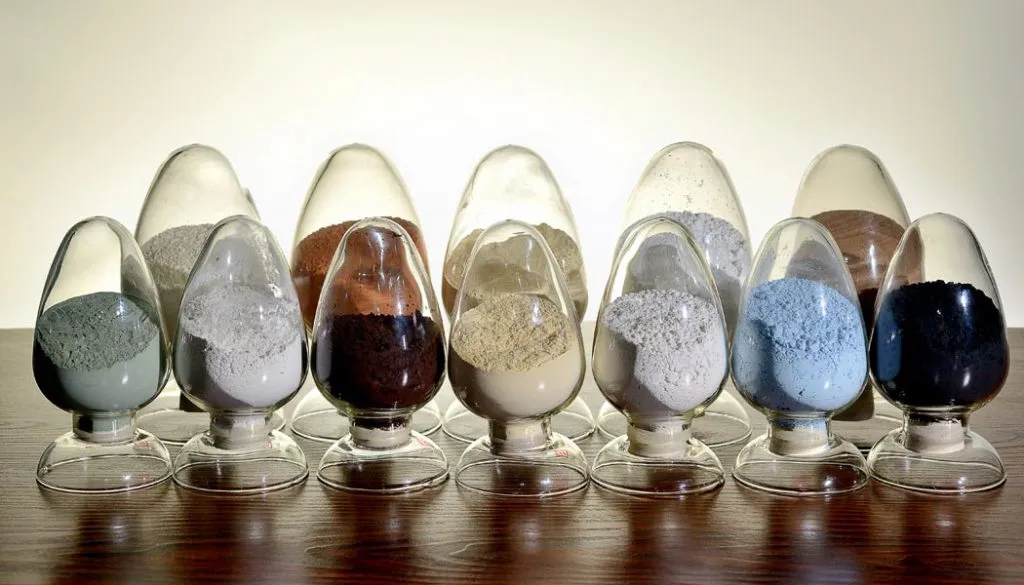
Metal hydride powder, optimized for capacity, kinetics, thermal profile and cycle life
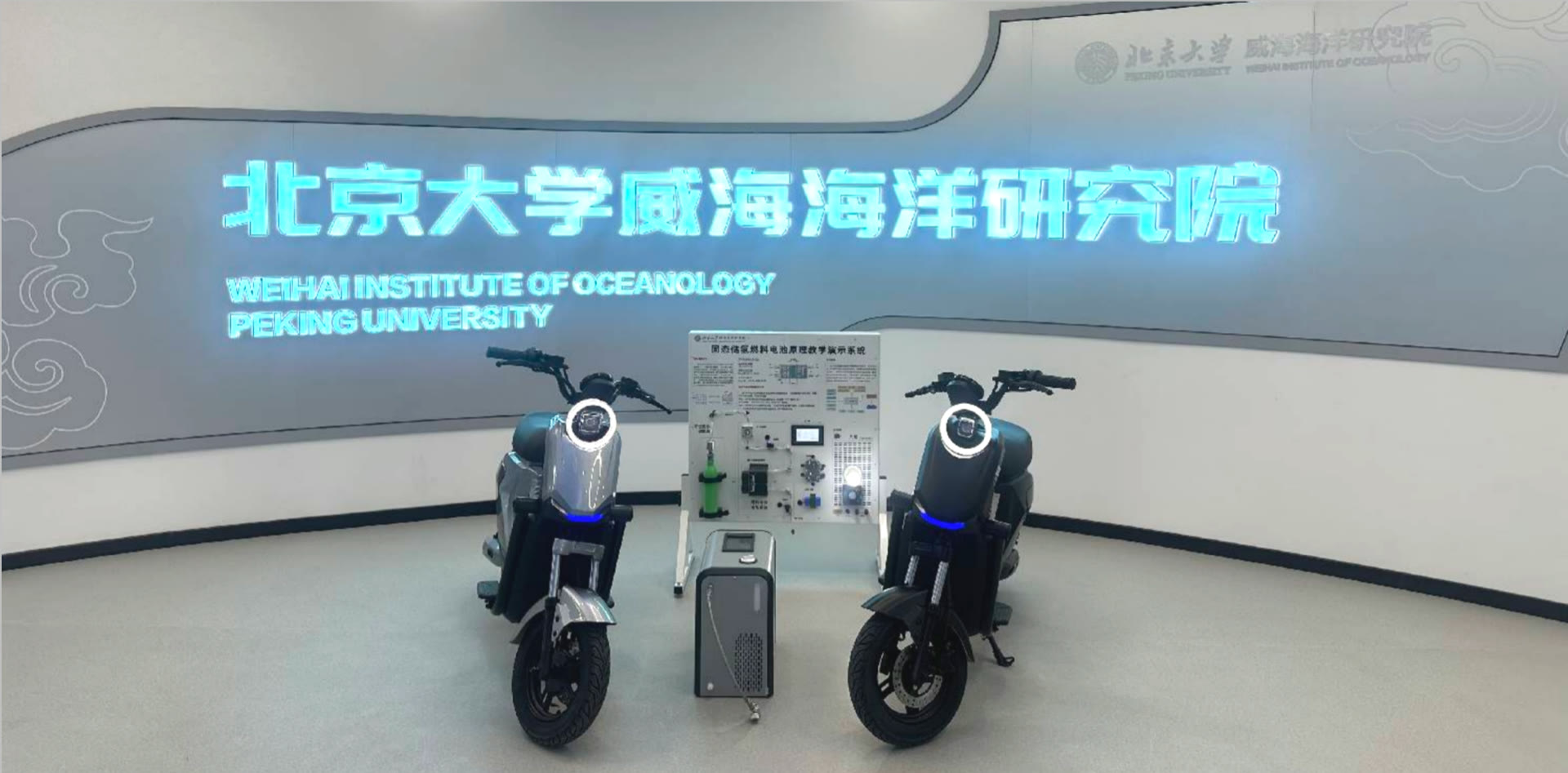
Sealed, thermally managed housing for the alloy bed; standardized interfaces for stacking and connection
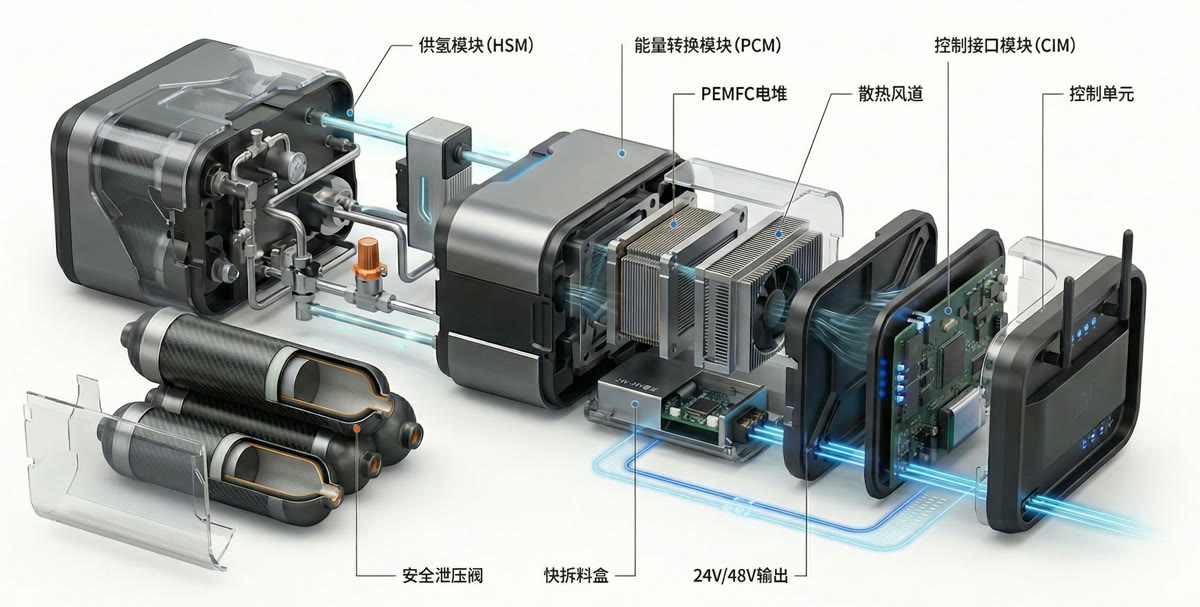
Electrolyzer input, fuel cell output, thermal management and fluid control systems
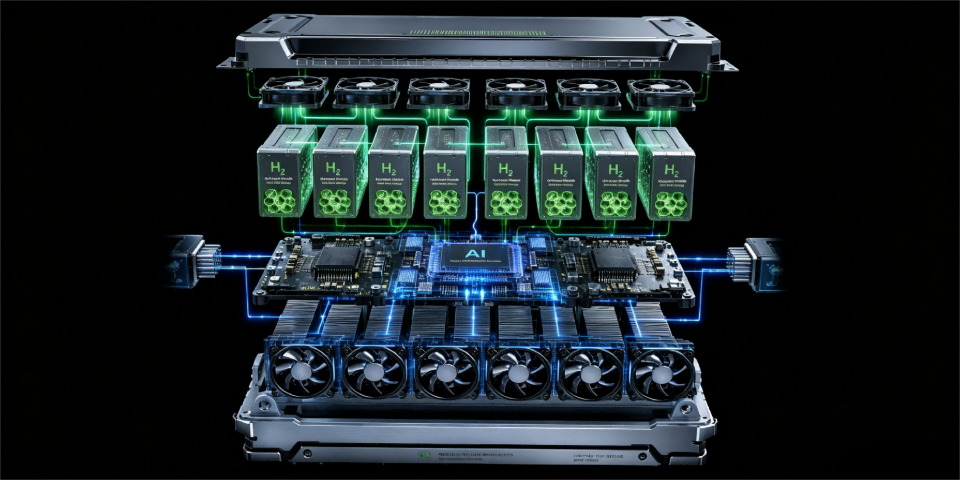
State estimation, predictive thermal control, remote monitoring and performance analytics
Capacity-as-a-service contracts, O&M, performance guarantees and lifecycle management
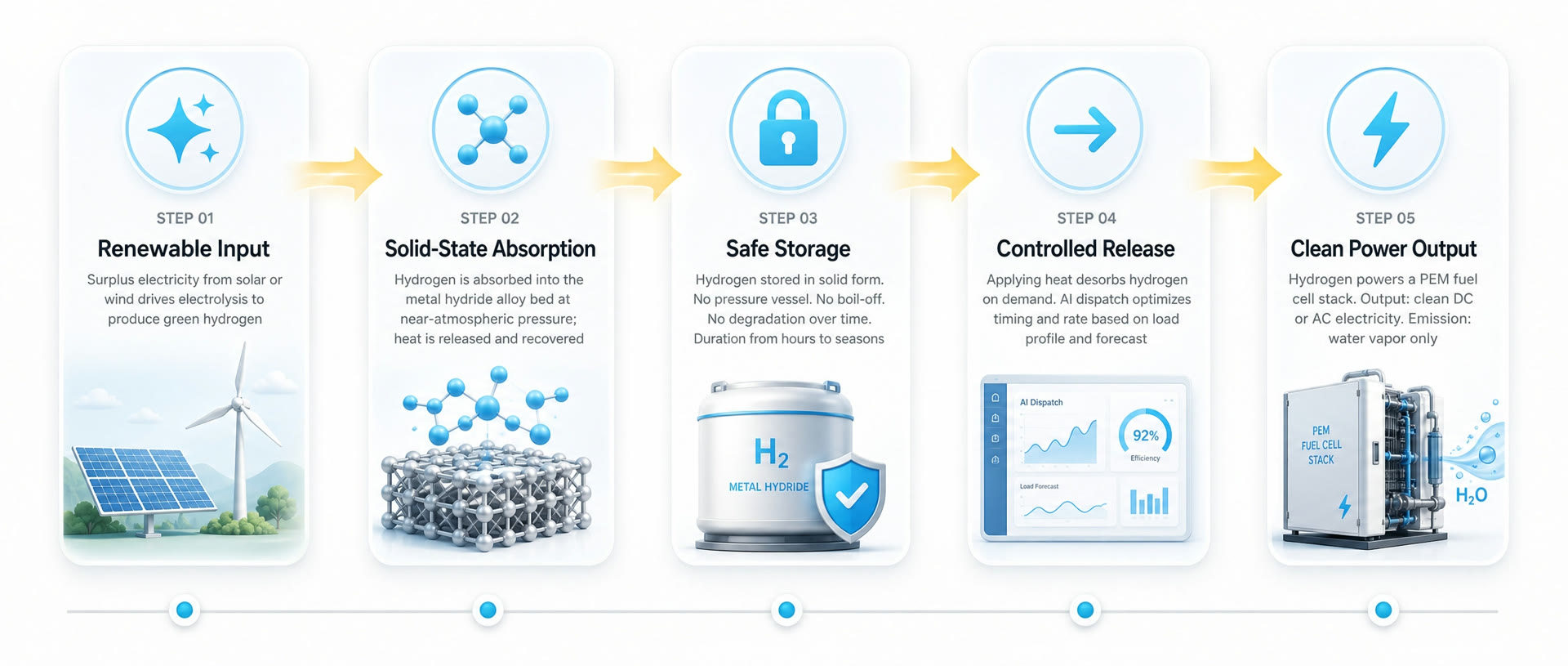
How the Full System Works
From renewable electricity input to dispatchable clean power output — the complete cycle.
System Parameters
Key performance parameters for POE's current-generation solid-state hydrogen storage modules and integrated power systems.
Full performance across Arctic to tropical climates; no supplemental heating required above −20°C
Near-atmospheric. Eliminates high-pressure vessel requirements and associated safety regulations
Current commercial alloys. Advanced BCC variants targeting 15 wt% in next development cycle
Modular architecture enables linear scaling from portable units to grid-scale installations
Validated under commercial operating conditions with <5% capacity degradation
Depends on alloy grade and thermal management. Fast-charge variants available for high-intermittency applications
No time-decay. Hydrogen remains bound in alloy indefinitely until thermal desorption is triggered
Suitable for deployment in occupied buildings, underground spaces and aircraft without explosion-proof infrastructure
Technology Comparison
✓ = Strong advantage ~ = Partial / conditional ✗ = Significant limitation
From Lab to Global Infrastructure
A staged commercialization path from validated materials science to globally deployed energy infrastructure.
Material Validation
Titanium-based and Magnesium-based alloy families validated at laboratory scale. Cycle life, capacity and kinetics benchmarked against international standards. Core IP established at Peking University.
Module Productization
Standardized storage canister design finalized. Pilot production line operational. Integrated system testing with commercial electrolyzers and PEM fuel cells. First pilot deployments initiated.
Commercial Pilot Programs
Joint demonstration projects with international partners in island microgrids, mining sites and renewable energy storage. HaaS contract framework deployed.
Global Scale-Up
High-capacity BCC alloy variants commercialized. Regional manufacturing partnerships established in target markets. Full HaaS deployment infrastructure operational across Global South regions.
AI Control Platform
Our proprietary control software manages the full hydrogen energy cycle: electrolyzer dispatch, storage state estimation, thermal management and fuel cell output coordination.